Moldovan and Ukrainian Specialists on Study Visit in Slovenia
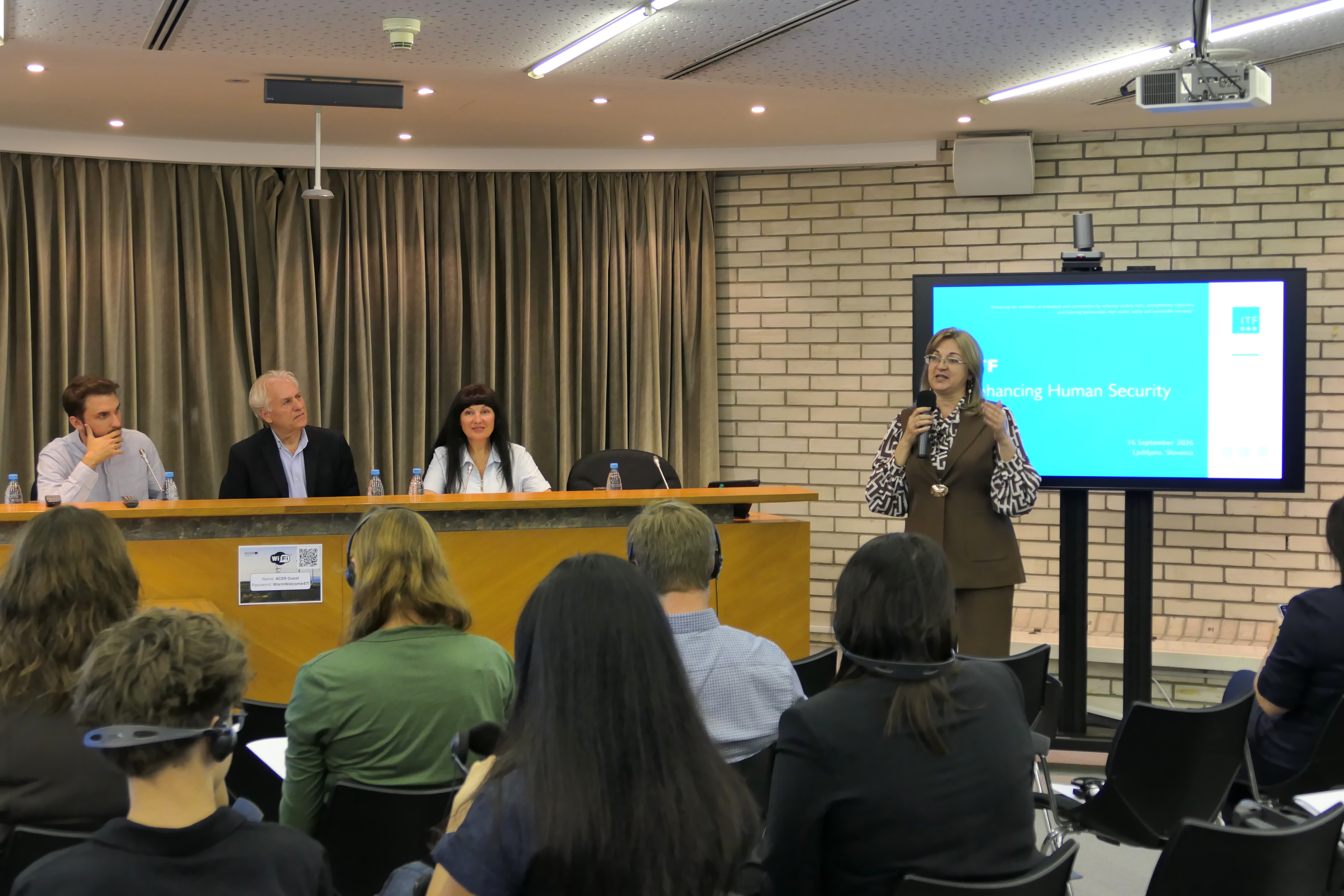
The study visit was organised by ITF Enhancing Human Security as part of the ongoing “Medical and Psychosocial Assistance to Ukrainian Children in Moldova in 2026” project, implemented in partnership with NGO Interaction, ITF’s local project partner in Moldova. The participants, coming from Interaction, other organisations working with refugees, and community-led initiatives, had the opportunity to learn from Slovenian institutions and professionals working in health, psychosocial support, education and refugee integration.
The aim was practical: to exchange experience, explore different approaches and discuss how they could be adapted to the realities of Moldova and Ukraine. It also created an opportunity for professionals working with refugee communities to discuss common challenges and learn from solutions developed in different contexts.
The programme began at ITF, where participants learned more about ITF’s projects in Moldova and Ukraine and discussed the ongoing project and cooperation with Interaction. The visit then continued with meetings at organisations and institutions including Slovenian Philanthropy, the Government Office for Support and Integration of Migrants, Pro Bono Ambulanta and Ljubljana Livada Primary School.
A central part of the week was a roundtable on medical and psychosocial support to refugees in Slovenia and Moldova, bringing together professionals from different areas of refugee support. The discussion featured Ms. Oxana Alistratova from Interaction, Ms. Maja Murn from the Slovenian Red Cross, Mr. Primož Jamšek from the Government Office for Support and Integration of Migrants and Ms. Oksana Magur from the Slovenian Caritas. The discussion focused on similarities and differences between the two countries, common challenges and practical approaches to supporting refugees.
Dr. Anica Mikuš Kos also shared her extensive experience in psychosocial support for children affected by war and displacement, contributing an important perspective to the discussion on how professional support can respond to the effects of conflict while recognising the resilience and agency of children and families.
The participants also met members of the Ukrainian community in Slovenia and heard about initiatives developed by refugees themselves. This provided another important perspective: support is not only something provided to refugee communities, but something that can also be shaped and strengthened by people with direct experience of displacement.
A meeting with the Ministry of Foreign and European Affairs of the Republic of Slovenia, which supports the project, provided an opportunity to present the activities and achievements to date and discuss the importance of continued cooperation. The Ministry’s support makes it possible not only to provide assistance through the project itself, but also to invest in the exchange of knowledge and professional connections that can continue beyond the project.
For ITF, this kind of exchange is an important part of strengthening local capacity. Refugee support systems do not operate in isolation, and the challenges faced by professionals in Moldova, Ukraine and Slovenia often overlap. Sharing what works, discussing what does not and learning from each other can help improve the way support is delivered in practice.
The participants returned with new knowledge, contacts and ideas that can be adapted to their own work. The visit was therefore not simply an opportunity to learn from Slovenian experience, but a wider exchange of knowledge between professionals working in different contexts around the same goal: better support for children and families affected by displacement.