Croatia declared mine-free: a milestone in humanitarian disarmament
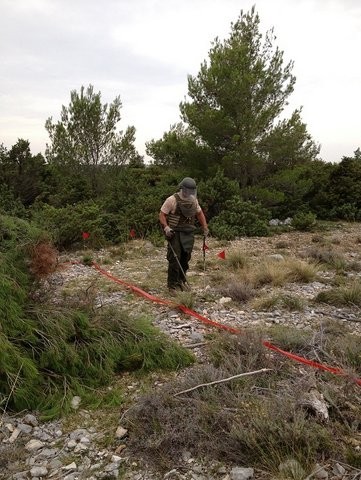
The declaration marks not only the fulfilment of a legal commitment, but also a profound humanitarian achievement - one that will protect future generations from the threat of anti-personnel mines.
What this milestone means
Under Article 5 of the Mine Ban Treaty (Ottawa Treaty), States Parties are required to clear all anti-personnel mines from areas under their jurisdiction or control within a set timeframe. Croatia’s completion of this obligation demonstrates that even large-scale, complex contamination can be addressed through long-term planning, national ownership, and sustained international support.
This achievement comes at a time when humanitarian norms and multilateral commitments are under increasing pressure. Croatia’s success sends a strong message: international humanitarian disarmament works. It shows that sustained commitment, cooperation, and investment can deliver tangible, life-saving results – even decades after conflict.
Beyond legal compliance, being mine-free means safer communities, restored land use, and renewed opportunities for development. Land once contaminated can now be used for agriculture, infrastructure, tourism, and everyday life, contributing directly to economic recovery and stability.
ITF’s role in Croatia
ITF Enhancing Human Security has been part of Croatia’s mine action efforts since 1999, supporting national institutions and working closely with local and international partners.
Between 1999 and 2018, ITF supported the clearance of more than 30 million sqm of mine-suspected land, helping remove over 6,300 mines and 2,200 items of unexploded ordnance and contributing to safer communities and economic recovery. ITF also maintained a permanent presence, including an office in Sisak, ensuring close coordination and effective implementation on the ground.
Beyond clearance, ITF contributed to a broader, integrated approach to mine action, including:
- Mine risk education, raising awareness and reducing exposure to danger
- Victim assistance, supporting recovery and reintegration
- Capacity building, strengthening national systems and expertise
After the completion of large-scale demining activities, ITF continued its engagement in Croatia by supporting other areas of human security, particularly capacity building, conventional weapons and ammunition disposal (CWD), and physical security and stockpile management (PSSM).
A truly international effort
Croatia’s path to becoming mine-free is a strong example of effective international cooperation. ITF’s work in the country was made possible thanks to the generous support of a diverse donor community from both the public and private sectors.
Governments, international organizations, institutions, and private donors all contributed to this shared effort. Their support enabled not only clearance operations, but also broader activities that addressed the humanitarian, social, and developmental impacts of mine contamination.
In Croatia, this collective effort enabled not only clearance operations, but also broader support to communities affected by mines - demonstrating how coordinated international assistance can amplify national efforts.
The work does not end here
While Croatia’s declaration of being mine-free represents a major milestone, it does not mark the end of its engagement under the Mine Ban Treaty. Continued efforts in victim assistance, advocacy, and international cooperation remain essential to address the long-term consequences of mine contamination.
Croatia has already reaffirmed its commitment to these areas, positioning itself not only as a former mine-affected country, but also as a partner contributing knowledge and experience to global mine action efforts.
Looking forward
Croatia’s achievement is a reminder that progress is possible — even in challenging global circumstances. It reinforces the importance of upholding international humanitarian norms and investing in long-term solutions that protect people and enable recovery.
For ITF, this milestone is also a moment of reflection. It highlights the impact that sustained partnerships, donor support, and locally driven approaches can achieve over time.
Most importantly, it shows that a mine-free world is not just an aspiration – it is achievable.