ITF at the 22MSP
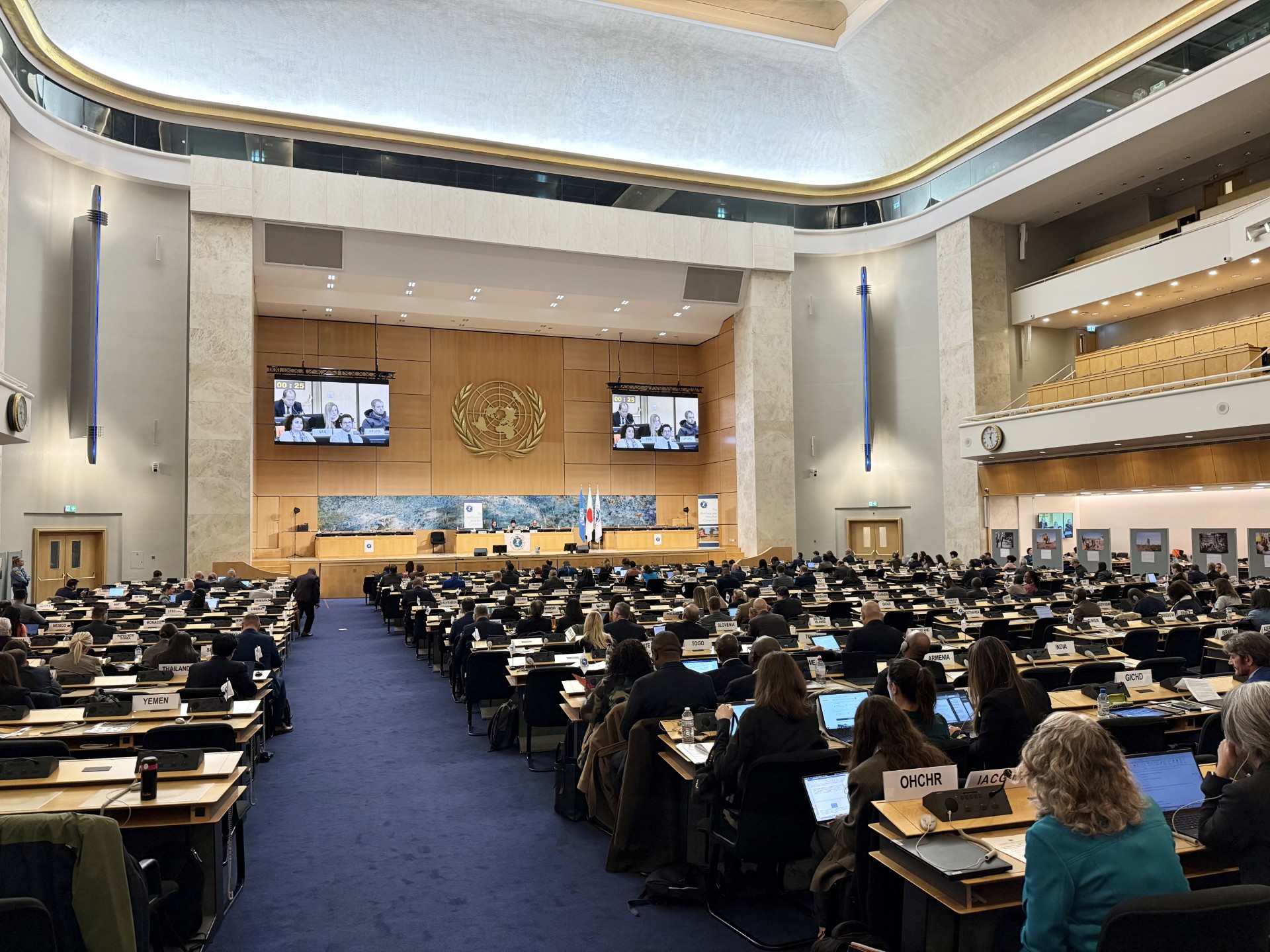
The meetings brought together States Parties, international mine action partners, and other key stakeholders to review progress and reaffirm their commitment to the Ottawa Convention, one of the most significant treaties in humanitarian disarmament.
The Ottawa Convention remains one of the clearest examples of how collective international commitment saves lives. By prohibiting anti-personnel mines and promoting clearance, risk education, and victim assistance, the Convention has significantly reduced casualties and contamination worldwide. At the same time, the 22MSP underscored that hesitation, fragmentation, or weakening of commitments leaves civilians exposed to ongoing and emerging risks.
Humanitarian mine action is only effective when it is comprehensive. Clearance, risk education, and victim assistance are not separate tasks but interconnected responsibilities that must be addressed together. In its statement delivered under the agenda item on victim assistance, ITF highlighted the need for sustained and coordinated support to ensure mine survivors receive long-term medical care, rehabilitation, mental health and psychosocial support, and opportunities for social and economic inclusion.
During the Mine Action Support Group meeting, ITF also shared updates on its broader engagement across mine-affected and conflict-affected contexts, stressing the importance of people-centred and holistic approaches. ITF highlighted practical examples of linking victim assistance, livelihoods, psychosocial support, and community resilience, as well as the value of strengthening national institutions and regional cooperation to ensure sustainable mine action outcomes.
The MSP also provided a valuable opportunity for ITF to hold bilateral meetings with partners and donors, strengthening cooperation and coordinated support for mine-affected contexts.
The 22MSP took place in a context shaped by the challenges the Convention faced in 2025, creating an underlying sense of uncertainty that was present throughout the meeting. For the first time since the Convention’s entry into force, five States Parties withdrew from the Ottawa Convention, while Ukraine’s illegal suspension of its membership further added to uncertainty. These developments, together with persistent financial challenges in a sector dependent on international solidarity, highlighted the importance of renewed political commitment to humanitarian disarmament.
At the same time, ITF welcomed positive developments, including the accession of two new States Parties to the Convention—the Republic of the Marshall Islands and the Kingdom of Tonga.
In this spirit, ITF remains committed to supporting the Anti-Personnel Mine Ban Convention, working alongside local partners, and keeping affected people at the centre of humanitarian mine action.