Amb. Tomaž Lovrenčič, Director of ITF, Addresses the United Nations Security Council on the Humanitarian Impact of the War in Ukraine
Watch the full speech here: https://youtu.be/_cH7QUjrySg?si=cfJ5cUAsSRQCa_pE
Speaking before the Council, chaired by Slovenia’s Minister for Foreign and European Affairs, Ms. Tanja Fajon, ITF Director Amb. Tomaž Lovrenčič shared firsthand insights from ITF’s ongoing humanitarian engagement in Ukraine, highlighting the growing impact of landmines, explosive remnants of war, and the increasing use of explosive drones on civilian populations.
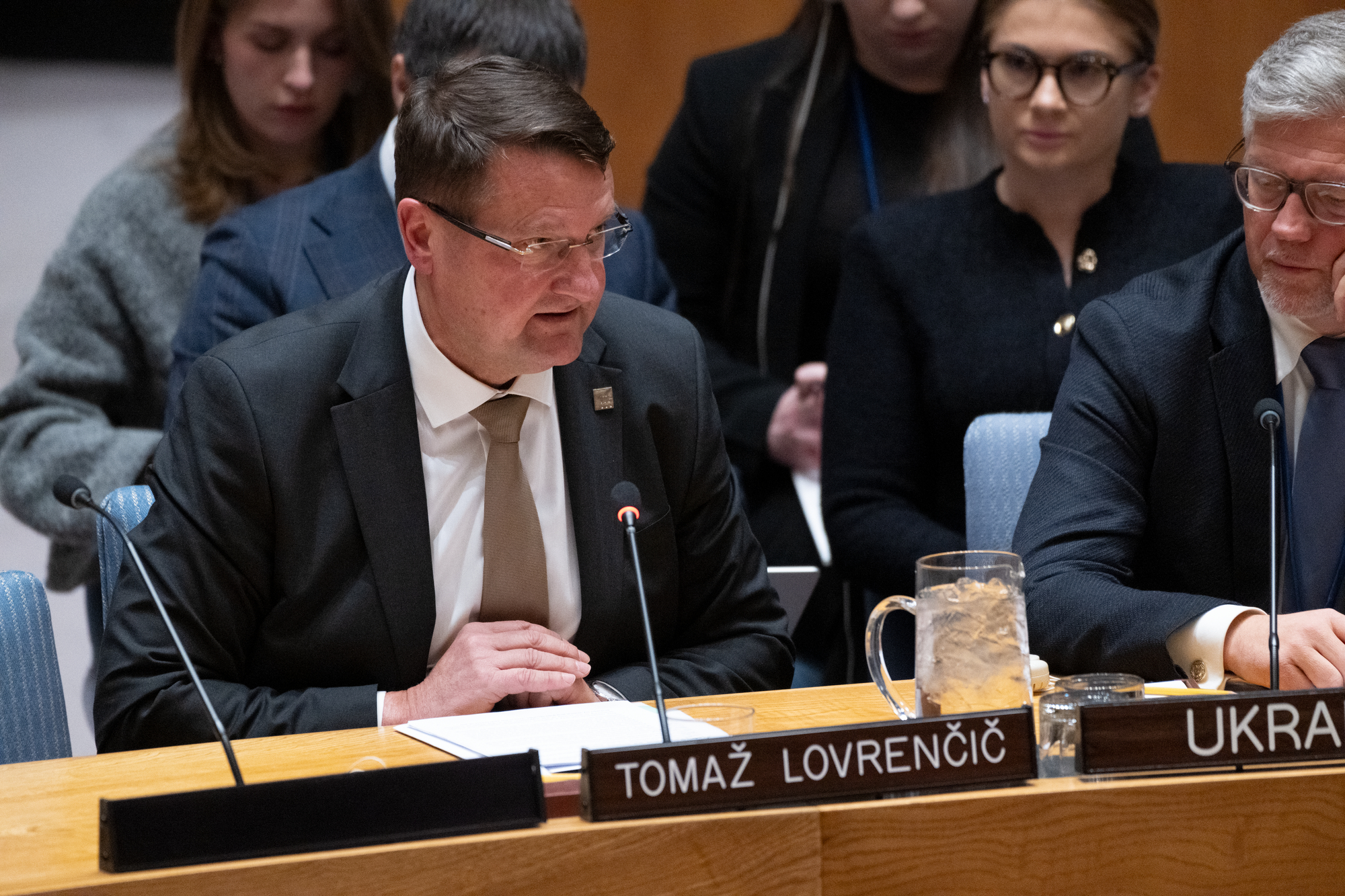
Amb. Lovrenčič addressed the Council in his capacity as Director of ITF as well as as an eyewitness to the conflict. He recently visited Ukraine together with Dr. Aleš Musar, the spouse of the President of the Republic of Slovenia, where he met civilians whose lives had been irreversibly changed by mine and blast injuries following the Russian aggression.
Drawing on these observations, Amb. Lovrenčič warned of a disturbing shift in the nature of injuries seen in Ukraine. While traditional landmines have historically caused injuries primarily to the lower body, the widespread use of explosive drones has resulted in severe trauma to the arms, hands, face, and head. As he noted, “In addition to minefields on the ground, we now face what can only be described as minefields in the sky, indiscriminately killing and maiming civilians.”
He emphasized that upper-body injuries pose particularly complex challenges for survivors. Prosthetic arms and hands must replicate highly intricate functions essential for independence and daily life, while blast-related head injuries have also led to a growing number of civilians suffering from hearing and sight loss and other long-term impairments. These trends significantly increase the demand for specialized medical care, advanced prosthetics, and sustained psychosocial support.
In his address, Amb. Lovrenčič outlined three key priorities for the international community, emphasizing that “expanded support for victim assistance must not be an afterthought, but an essential pillar of humanitarian response.” He called for scaled-up humanitarian demining efforts, including greater investment in new technologies and accelerated clearance operations. He stressed that victim assistance, encompassing prosthetic provision and psychosocial support, must remain central to the response, and underlined the need to uphold international humanitarian law to prevent the use of weapons that cause indiscriminate and disproportionate harm to civilians.
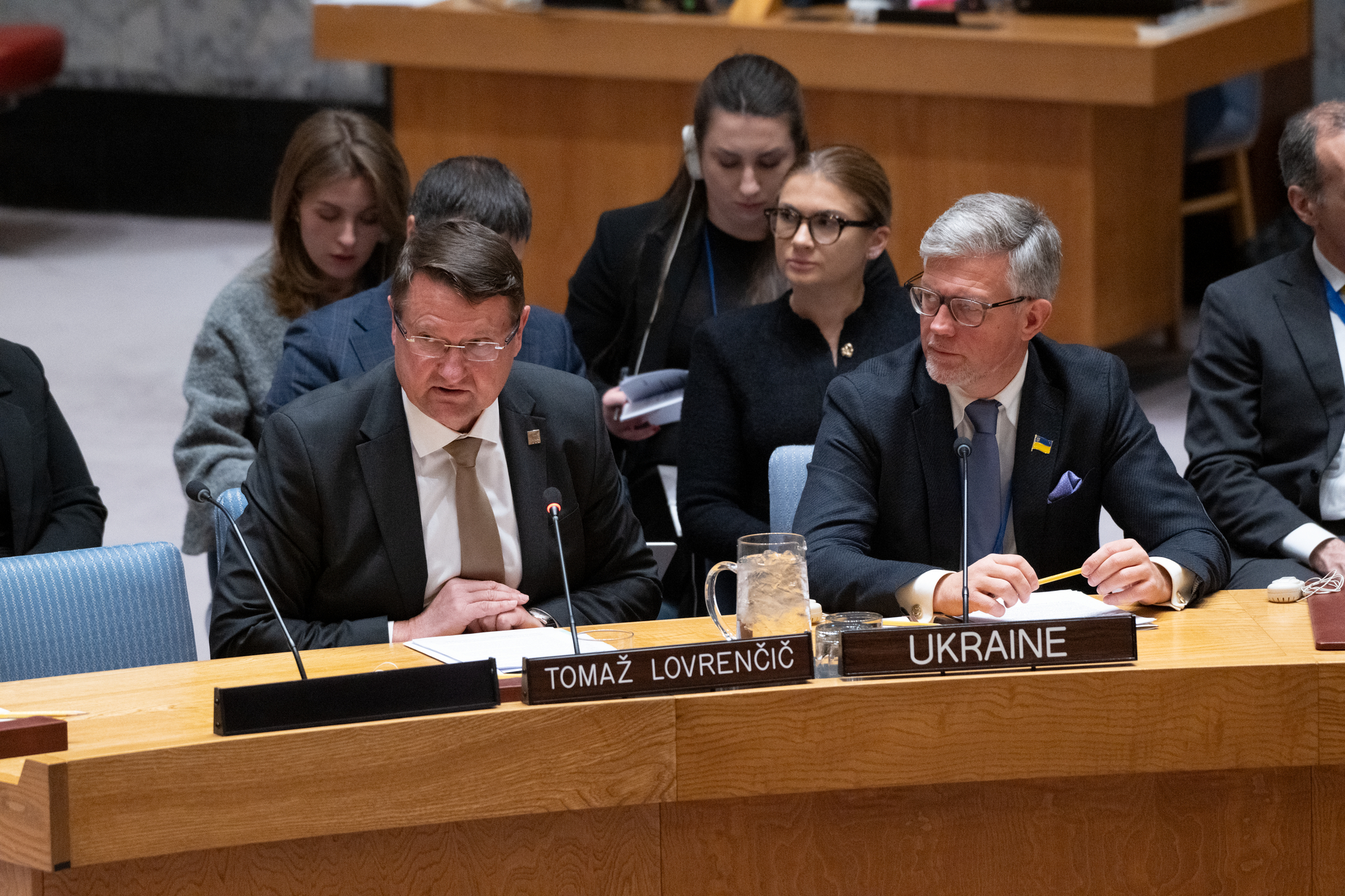
Amb. Lovrenčič further cautioned that the extensive use of drone-delivered explosives risks setting a dangerous precedent for future conflicts. Without decisive international action, such practices could become normalized, with devastating consequences for civilians far beyond Ukraine.
In concluding his statement, Amb. Lovrenčič underscored the importance of sustained international support for victim assistance in Ukraine. He expressed gratitude to current donors supporting ITF’s work in the country, including Slovenia, the Republic of Korea, and the United States of America, while noting that significantly broader burden-sharing is urgently required given the scale of humanitarian needs.
He emphasized that high-quality prosthetics are not merely technical devices, but essential tools for restoring dignity, independence, and the ability of survivors to participate fully in family and community life. ITF remains committed to supporting civilians affected by mines and explosive weapons in Ukraine and to contributing its experience to international efforts aimed at reducing harm, assisting victims, and protecting civilians in line with international humanitarian law.