The Critical Role of Ammunition Inventory in Kyrgyz Republic
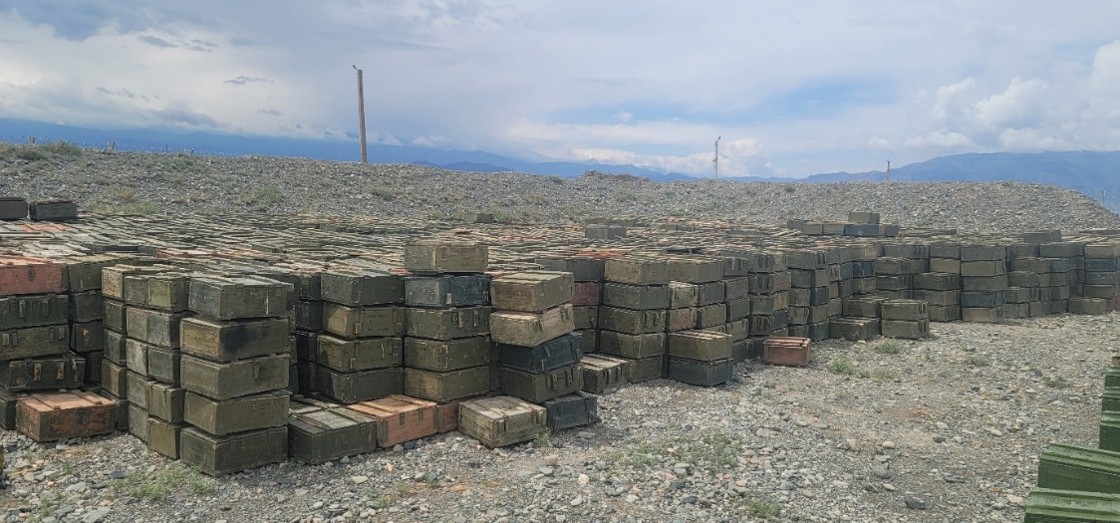
In an old ammunition depot in the hills of Kyrgyz Republic, wooden and metal crates hold thousands of rounds – some still usable, others corroded by time. The site may look organized, but without an up-to-date inventory, what’s inside remains uncertain.
This is where ammunition inventory comes in. Knowing exactly what is in storage, its condition, and its location is the foundation of any responsible ammunition management system. Without proper records, old and unsafe stockpiles remain hidden, operational planning becomes chaotic, and unaccounted ammunition can go missing without anyone realizing it.
Thanks to the cooperation of the Kyrgyz Ministry of Defense (MOD), significant progress has been made in reducing these risks. The MOD has shown great commitment to enhancing security by systematically improving inventory management and upgrading storage conditions. By improving inventory management and storage conditions, the MOD is enhancing security in Kyrgyz Republic and setting an example of proactive PSSM implementation in the region. None of this work would be possible without the support and funding from the U.S. Department of State’s Office of Weapons Removal and Abatement (PM/WRA), whose commitment to conventional weapons destruction continues to improve safety worldwide.
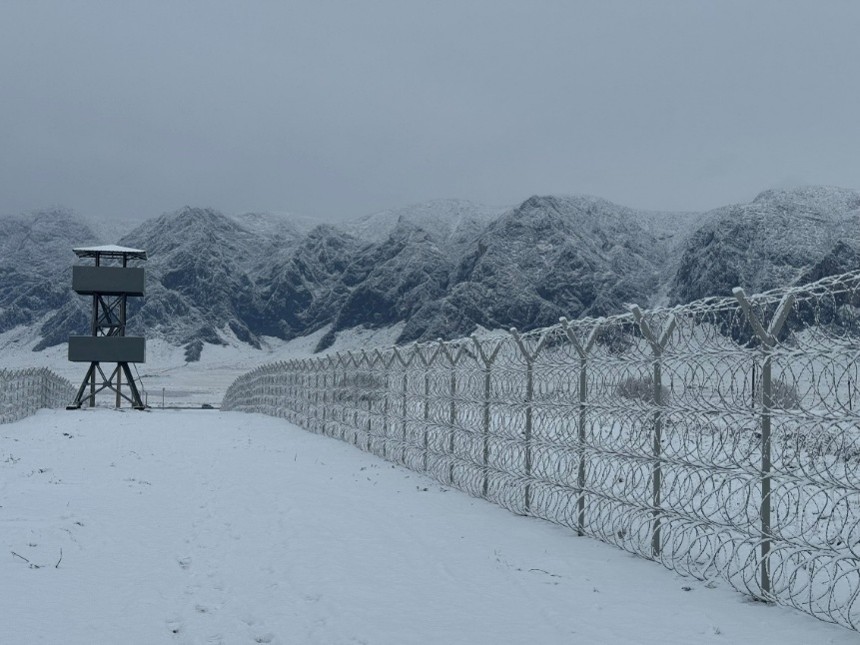
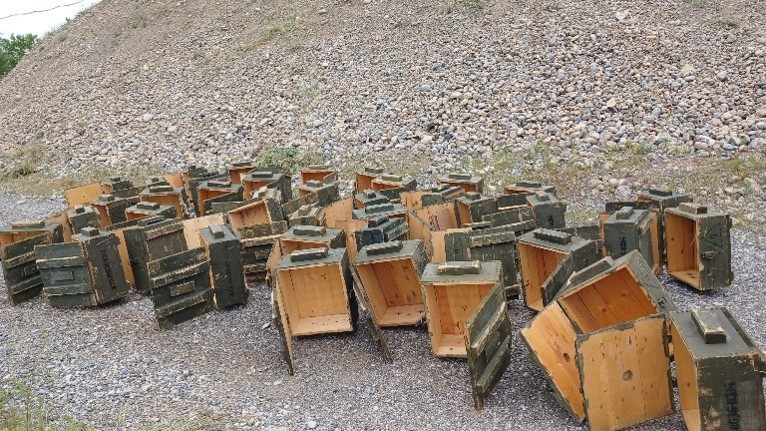
Step One: Understanding What’s Inside
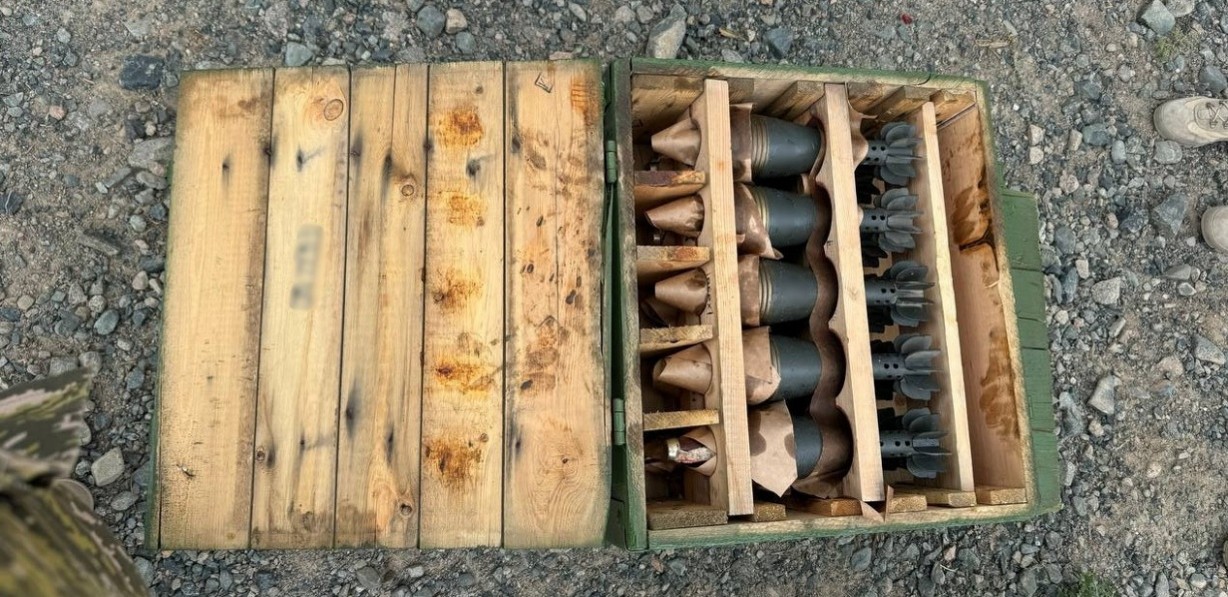
A proper ammunition inventory begins with categorization. Each round, shell, and missile needs to be classified based on its condition: is it in perfect working order, slightly deteriorated but still usable, or too unstable to be stored safely? This classification is crucial for making informed decisions.
Ammunition in good condition can be prioritized for training or operational reserves. Aging stockpiles nearing the end of their safe shelf life should be marked for controlled disposal before they degrade further. Some ammunition becomes too unstable to transport and must be destroyed on-site because moving it presents too great a risk. Without a detailed inventory, these decisions become guesswork, and unsafe stockpiles remain unnoticed until it’s too late.
Step Two: Preventing Deterioration
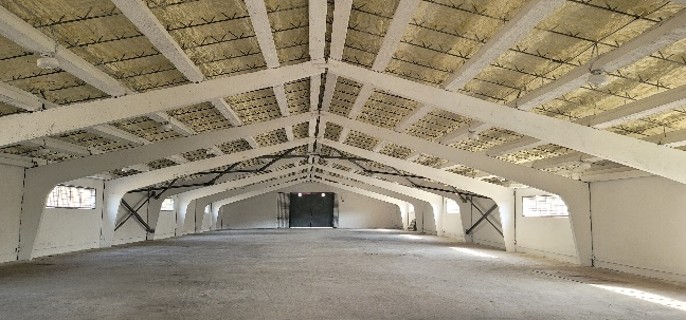
Even with a perfect inventory, ammunition doesn’t remain in the same condition forever. In Kyrgyz Republic, many existing storage containers and warehouses date back to the Soviet era. Some were built to last, while others have suffered from extreme weather, moisture, and neglect over time. When ammunition is stored in rusted, cracked, or poorly ventilated containers, its deterioration accelerates. Metal casings corrode, explosives become unstable, and entire storage sites become safety hazards.
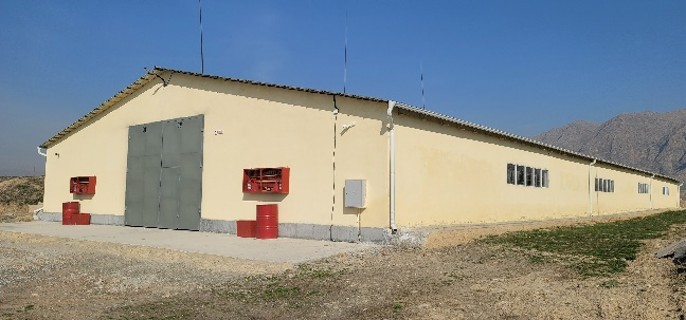
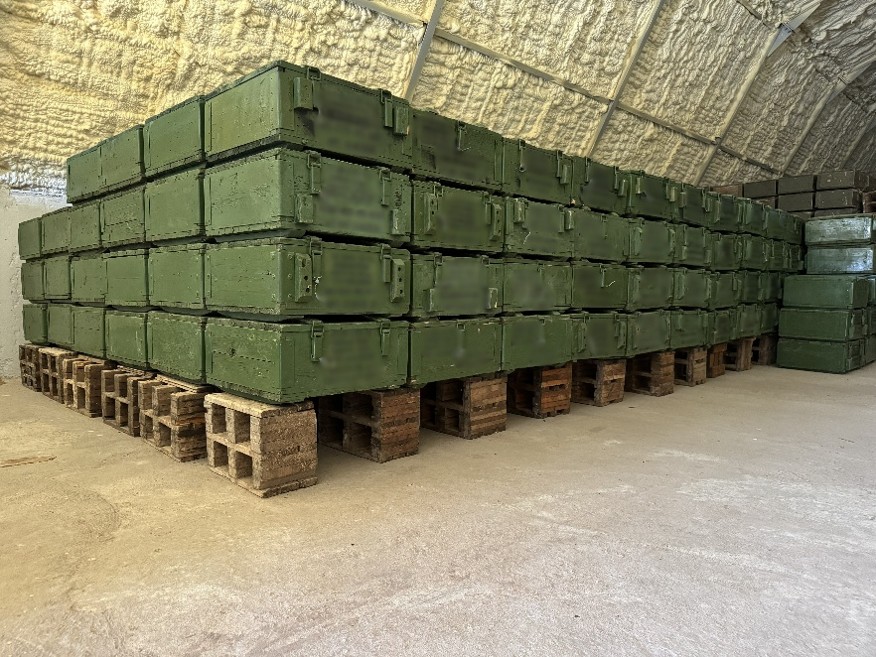
Upgrading storage conditions is a major priority for ITF and the Kyrgyz MOD. However, simply building new warehouses does not solve the problem. Before upgrading infrastructure, it is critical to assess and remove unstable stockpiles, ensuring that only secure ammunition is placed inside refurbished or new storage sites.
Step Three: Reducing Chances for Explosions and Loss
The greatest threat posed by poorly managed ammunition stockpiles is the risk of unplanned explosions. Aging and unstable ammunition can ignite without warning, causing loss of life and infrastructure. Without precise record-keeping, these dangers remain hidden, turning storage sites into potential disaster zones. When no one knows exactly what is stored or its condition, how can these risks be reduced?
Theft and loss are also significant concerns. Small quantities of missing ammunition may seem trivial at first, but without proper tracking, these losses can fuel illicit arms trafficking. By implementing strict inventory controls, ITF ensures that ammunition in Kyrgyz Republic is properly tracked and secured. Every movement – whether ammunition is transferred, issued for use, or marked for disposal – should be logged. This transparency strengthens national security and ensures stockpiles remain safe and accounted for. The Kyrgyz MOD has shown great dedication to improving these practices, reinforcing their commitment to both national and regional security.
Step Four: Planning for the Future
Once a full inventory system is in place, the final step is planning for the future. Stockpiles must be maintained, rotated, and disposed of in a controlled manner. Ammunition nearing the end of its shelf life should be prioritized for use, ensuring newer stockpiles are preserved for later. Meanwhile, hazardous stockpiles must be carefully destroyed before they degrade further.
Aligning with international best practices is key to sustaining these efforts over time. The International Ammunition Technical Guidelines (IATGs) provide a framework for responsible stockpile management, and ITF works closely with the Kyrgyz MOD to integrate these standards. This not only improves the safety of Kyrgyz Republic’s stockpiles but also enhances cooperation with international security partners.
Conclusion: The Inventory is More Than Just Numbers
Ammunition inventory is more than a bureaucratic task – it is the fundation of national security. Accurate tracking of stockpiles, usage, and disposal prevents disasters, enhances operational readiness, and ensures accountability. In Kyrgyz Republic, where aging stockpiles pose increasing risks, ITF is with support from the United States and the Kyrgyz MoD, modernizing inventory systems, improving storage, and strengthening security measures to create a safer future – not just for Kyrgyz Republic but for the entire region.
The mission remains clear: no stockpile should go unaccounted for, no unstable ammunition left hidden, and no losses undetected. Through rigorous inventory management and responsible oversight, we are not just improving storage – we are preventing accidents, protecting communities, and ensuring long-term regional stability.